NDT Awareness & Training and NDT Laboratory Set Up
Testing without damage | Complete NDT solutions for industries
Non-Destructive Testing (NDT) plays a critical role in ensuring the integrity, safety, and reliability of materials, components, and equipment used in industrial operations. An effective NDT awareness and training program strengthens quality systems, enhances workforce competency, and supports compliance with international standards.
NDT Awareness Program
Designed to provide basic understanding of non-destructive testing methods, their applications, and limitations for engineers, supervisors, QA/QC teams, and managers.
Objectives
- To familiarize participants with the purpose and importance of NDT
- To understand various NDT methods used in industry
- To promote safety, quality, and reliability in manufacturing & operations
- To help clients identify suitable NDT techniques for specific applications
Key Topics Covered
Foundation Topics
- Introduction to NDT and its role in industry
- Overview of NDT standards (ASME, ASTM, ISO, EN, IS codes)
- Safety precautions for using NDT tools
- NDT documentation and reporting fundamentals
NDT Methods
- VT (Visual Testing)
- PT (Liquid Penetrant Testing)
- MT (Magnetic Particle Testing)
- UT (Ultrasonic Testing)
- RT (Radiographic Testing)
- ET (Eddy Current Testing)
- PAUT, TOFD (Advanced NDT)
Application Focus
- Common defects identified through NDT
- Criticality of inspection in metallurgical components
- Criticality of inspection in mechanical components
Target Audience
QA/QC Engineers & Inspectors
Production Engineers
Maintenance Engineers
HSE & Technical Supervisors
Engineering Students & Trainees
Program Deliverables
- Training materials & presentations
- Participation certificates
- Case studies & failure analysis examples
- Technical guidance reports
Program Gallery
Click to view larger
Click to view larger

Click to view larger

Click to view larger

Click to view larger

Click to view larger
Click to view larger
Click to view larger
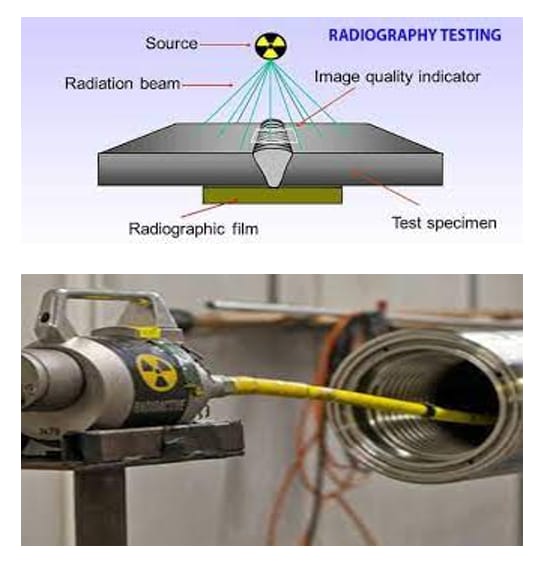
Click to view larger
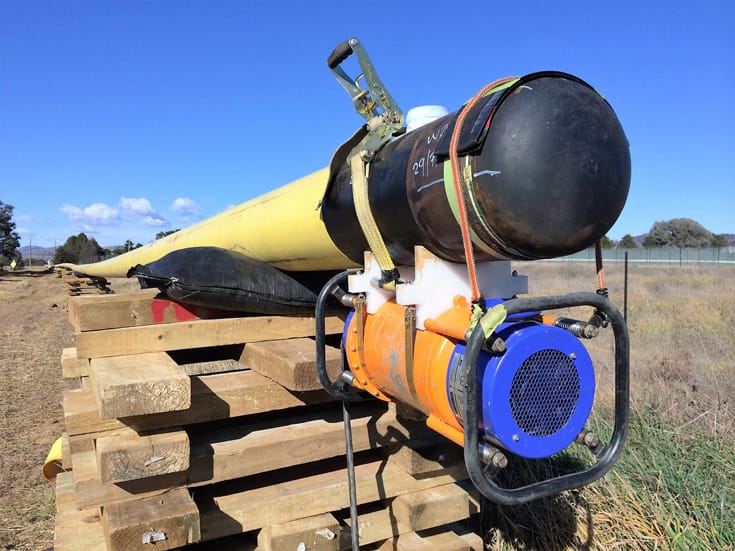
Click to view larger
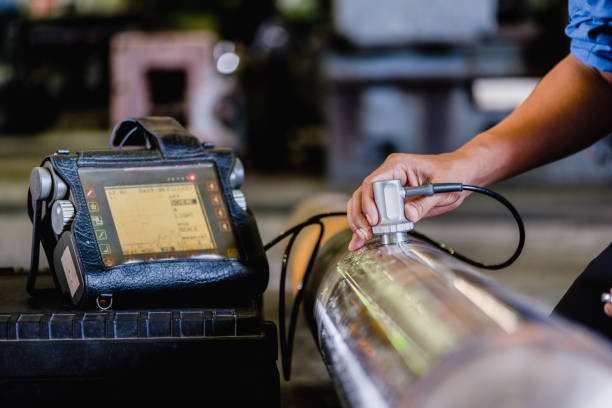
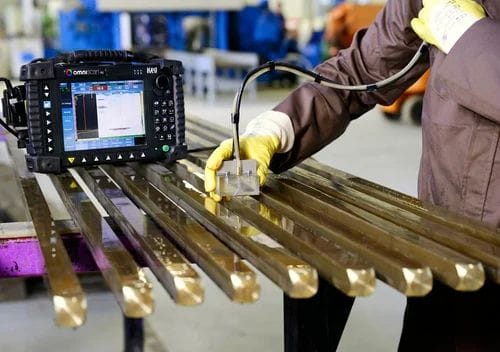
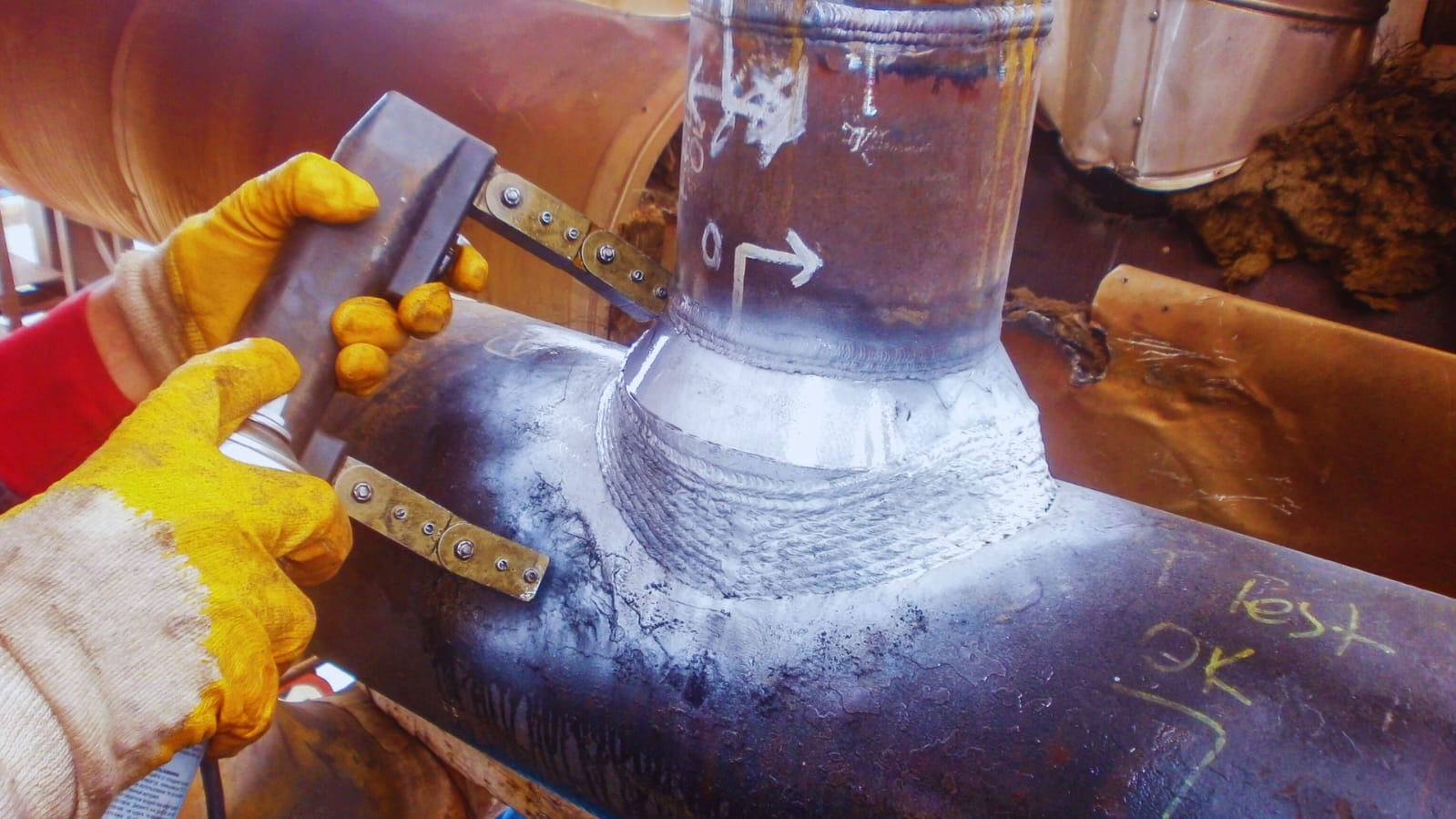
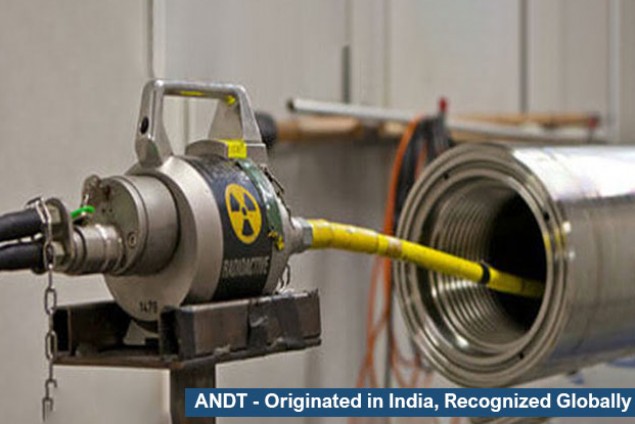
Real sessions from our NDT Awareness Programs conducted across various industries
Benefits to the Organization
Improved product reliability and safety
Compliance with industry standards and customer requirements
Reduction in rework and rejection costs
Enhanced competency of technical personnel
Stronger QA/QC system and inspection control
Readiness for audits and third-party inspections