PAN INDIA
Third Party Inspection & Vendor Assessment
Independent inspection and vendor assessment you trust
Our services include comprehensive Third-Party Inspection (TPI) and professional Manpower Deployment. We provide qualified inspectors to ensure all materials, equipment, and processes comply with relevant standards and client specifications. Additionally, we supply skilled and certified manpower for project execution, ensuring timely completion, quality workmanship, and adherence to HSE requirements.
Our Objectives of Third-Party Inspection
- Ensure quality and compliance with standards (ISO, ASME, ASTM, API, BIS, BS, etc.)
- Verify manufacturing and construction processes
- Reduce risks associated with non-conforming materials or work
- Ensure safety and reliability before commissioning or delivery
- Provide unbiased assessment free of client or contractor influence
Common Activities in TPI
1. Review of Technical Documents
Drawings, QAP/ITP, Material Test Certificates
2. Material Inspection
- • Visual inspection
- • Dimensional checks
- • Material quality verification
3. Process & In-Process Inspection
- • Welding procedure qualification
- • NDT review (UT, RT, MT, PT)
- • Factory Acceptance Tests (FAT)
4. Final Inspection
- • Performance checks
- • Pressure testing
- • Pre-dispatch inspection (PDI)
5. Reporting & Certification
- • NCR (Non-conformance reports)
- • Final inspection report
- • Release notes / Certificates of Conformity
Industries Using TPI
- Oil & Gas
- Power & Energy
- Process Industries
- Cement Industries
- Construction & Infrastructure
- Manufacturing & Fabrication
- Automotive & Heavy Machinery
- Port & Mining
Why Choose Our Inspection Services?
Independent & Impartial: Unbiased inspection and reporting
Experienced Team: Certified inspectors with industry expertise
Comprehensive Reports: Detailed documentation with photographic evidence
Global Standards: Compliance with international specifications
Vendor Assessment
Vendor assessment is a structured process used to evaluate, qualify, and monitor suppliers to ensure they meet the technical, commercial, and quality requirements of an engineering organization. Effective vendor assessment reduces project risk, ensures timely delivery of materials/equipment, and maintains consistent product quality.
Objectives of Vendor Assessment
- Ensure that suppliers can meet technical specifications and quality standards
- Evaluate the vendor's capability, capacity, and reliability
- Reduce supply chain risks (delays, quality failures, non-compliance)
- Build a trusted, long-term vendor base
- Ensure compliance with regulatory, safety, and environmental requirements
Key Assessment Criteria
A. Technical Capability
- • Experience with similar engineering products or systems
- • Manufacturing facilities, equipment, and technology used
- • Availability of qualified engineers, technicians, and R&D capabilities
- • Ability to meet design codes, standards (ISO, ASME, ASTM, API, etc.)
B. Quality Assurance
- • Quality management system (ISO 9001 or equivalent)
- • Process controls, inspection methods, testing facilities
- • Documentation practices (QA/QC procedures, test reports, calibration records)
- • Track record of non-conformities and corrective action systems
C. Financial Stability
- • Financial statements and creditworthiness
- • Ability to handle large orders or long-term contracts
- • Risk of bankruptcy or supply disruption
D. Production Capacity & Lead Time
- • Production capacity relative to project demand
- • Past performance in meeting delivery timelines
- • Flexibility to scale production during peak demand
E. Health, Safety, and Environment (HSE) Compliance
- • Safety certifications (ISO 45001)
- • Environmental management systems (ISO 14001)
- • Compliance with local regulations
- • Safety records and incident history
F. Supply Chain & Logistics Capability
- • Availability of raw materials
- • Inventory management
- • Packaging, transportation, and delivery reliability
- • Global sourcing strategy (if applicable)
G. Commercial Evaluation
- • Pricing competitiveness
- • Payment terms
- • Warranty policies
- • Contractual compliance
Vendor Assessment Process
1. Pre-Qualification
- • Vendor submits company profile, certifications, and past project experience
- • Initial screening based on technical and commercial requirements
2. Detailed Evaluation
- • Technical review of products/services
- • Evaluation against scoring criteria and checklists
- • Inspection of sample products (if applicable)
3. Vendor Audit / Site Visit
- • Assessment of manufacturing facilities, processes, and workforce
- • Verification of quality systems and production capability
4. Approval & Onboarding
- • Vendor is categorized (Approved, Conditional, or Rejected)
- • Approved vendors enter the Approved Vendor List (AVL)
- • Performance expectations and KPIs communicated
5. Performance Monitoring
- • Continuous evaluation based on delivery, quality, service, and responsiveness
- • Supplier rating and periodic audits
- • Corrective actions for underperforming vendors
Vendor Rating Metrics
Common KPIs include:
Benefits of Effective Vendor Assessment
- Improved product quality
- Increased reliability of supply
- Reduced project delays and cost overruns
- Stronger supplier relationships
- Enhanced compliance and lower risk
Inspection Gallery

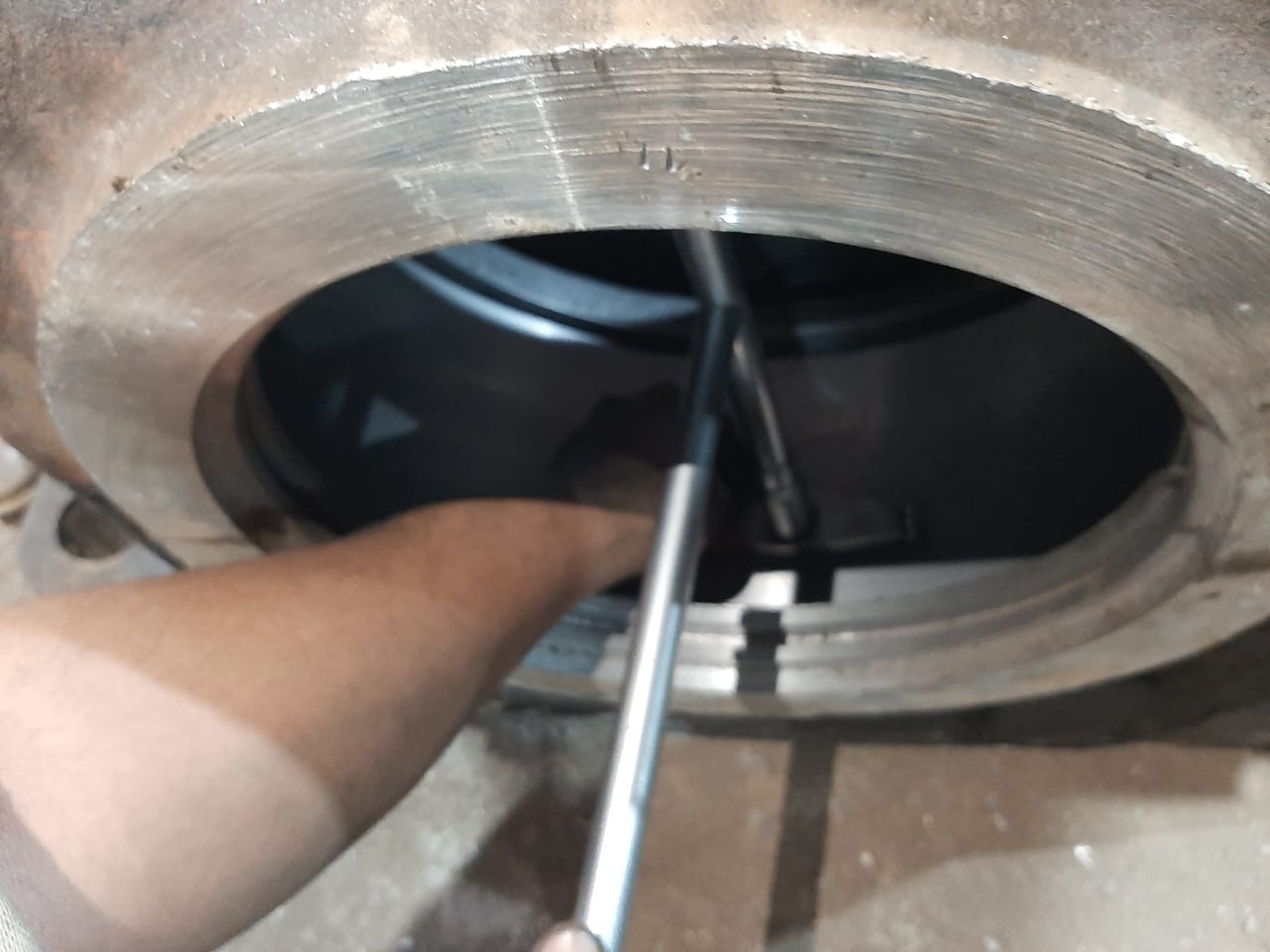
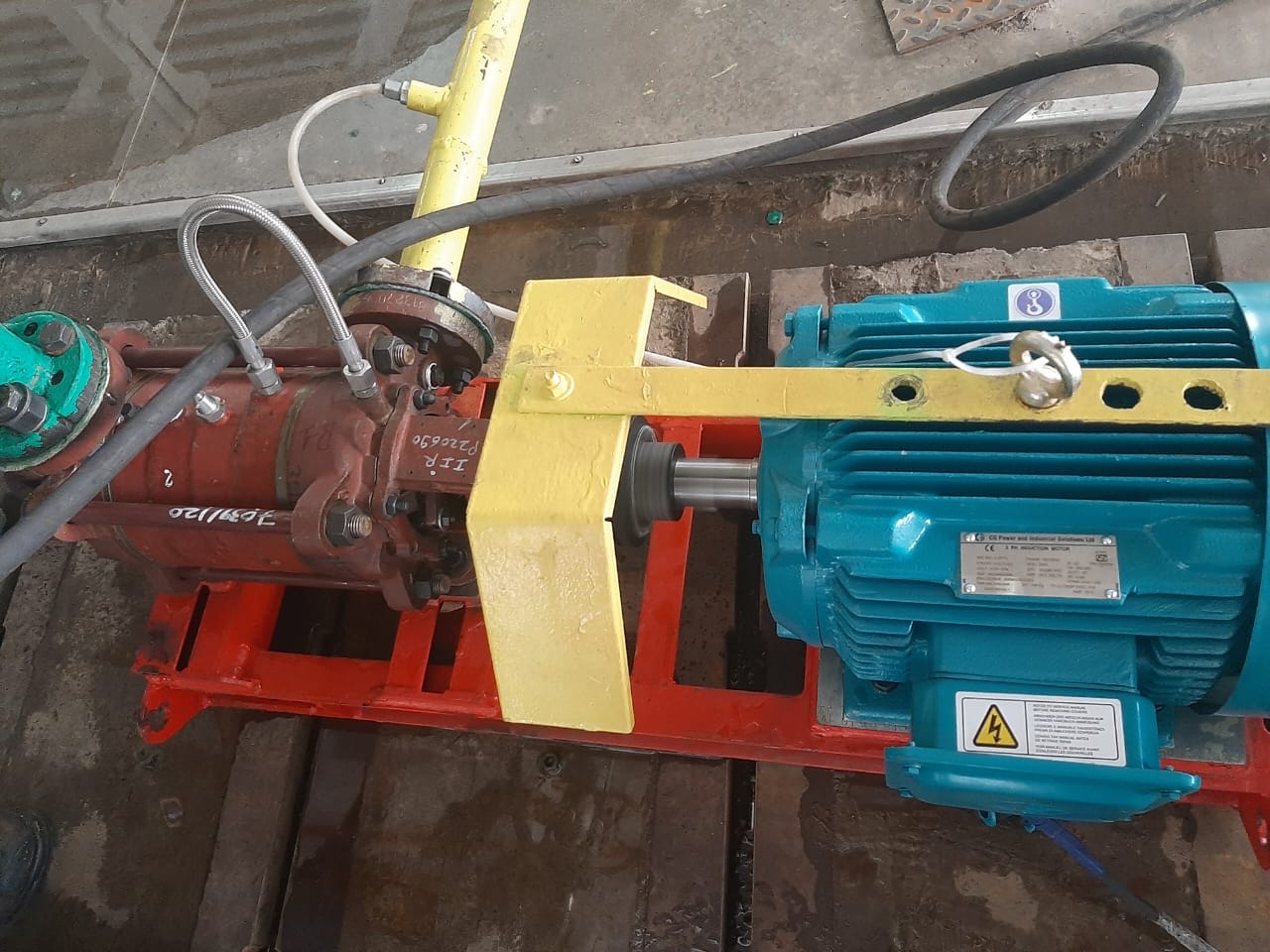

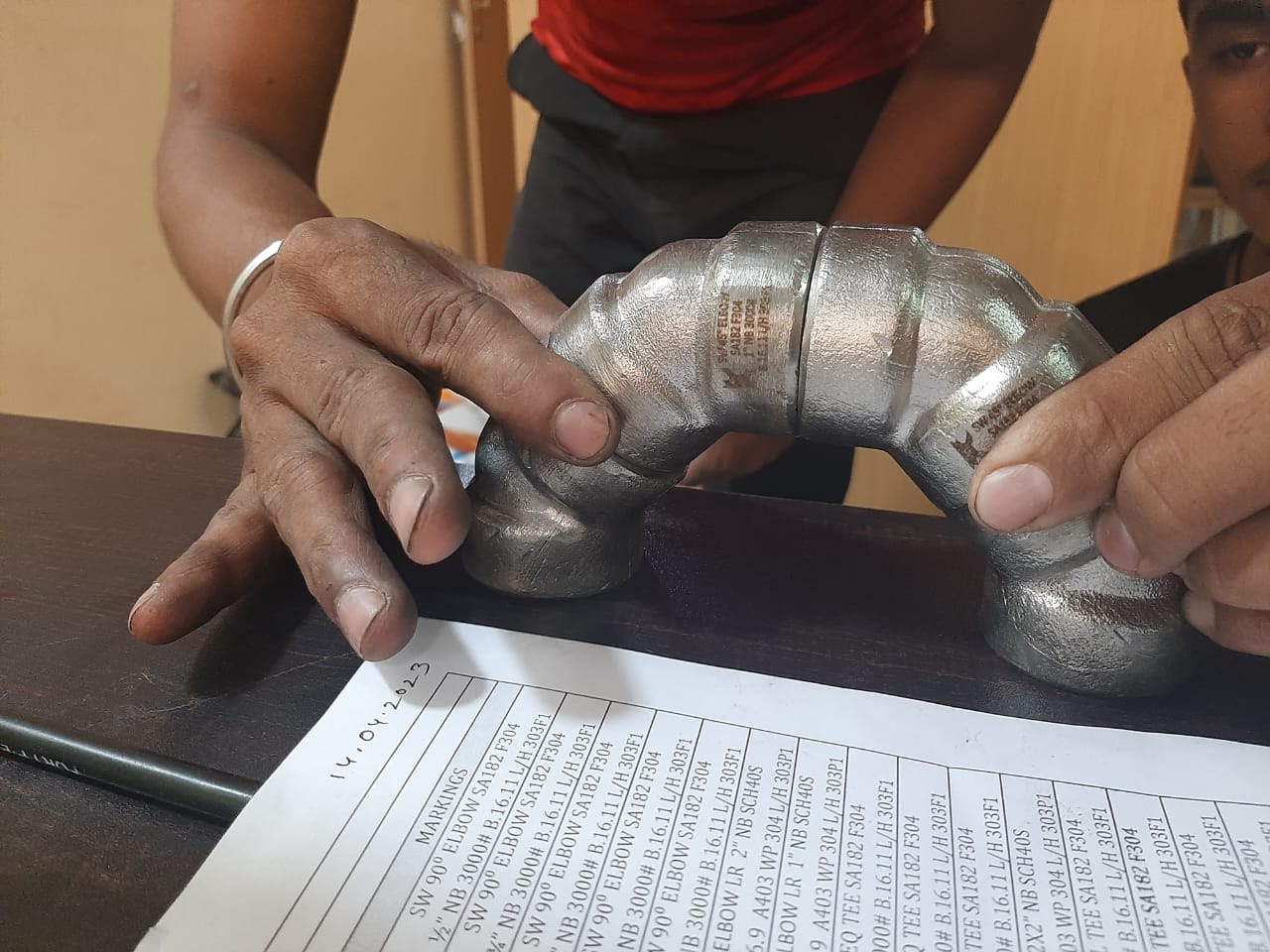

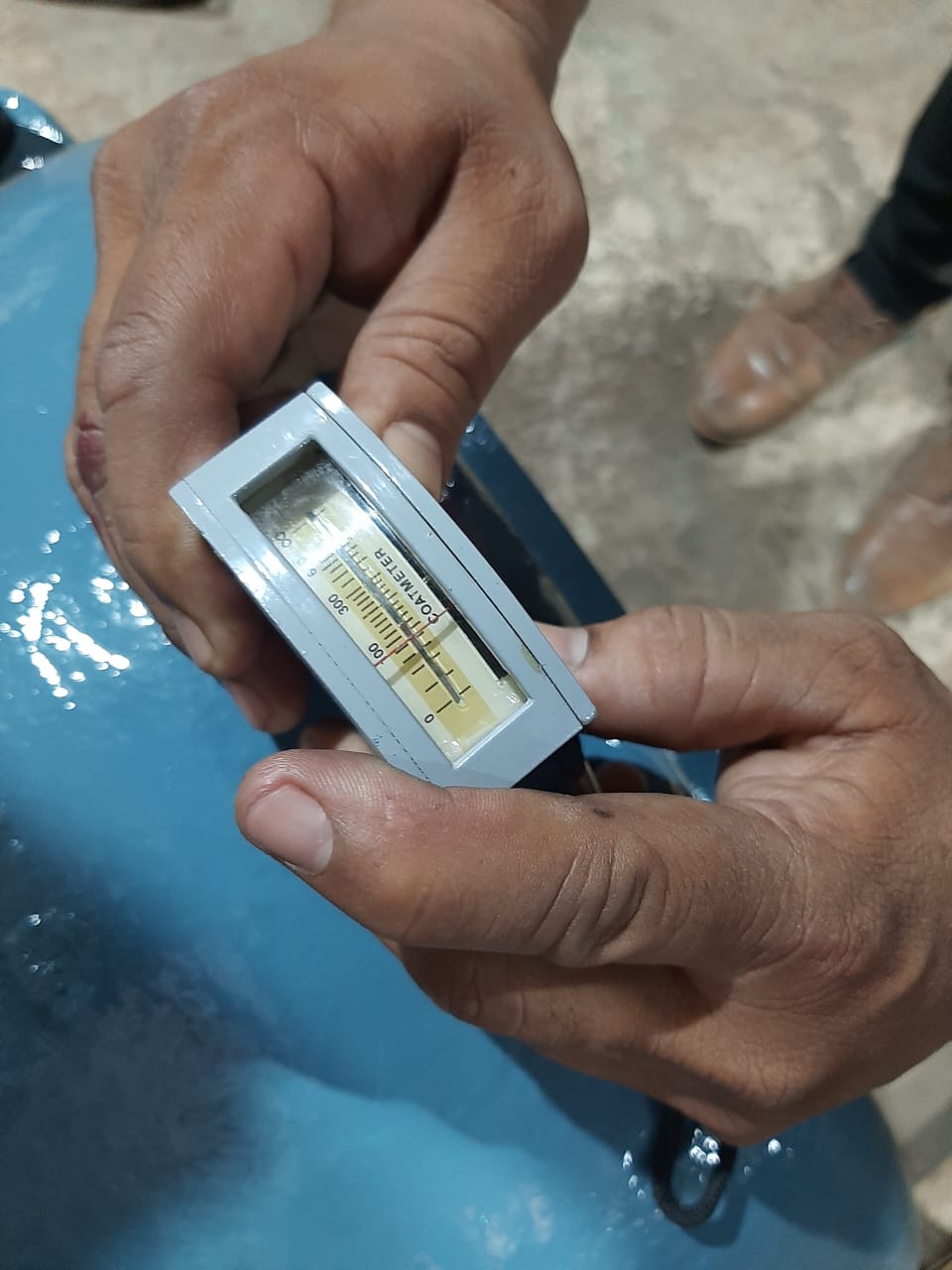

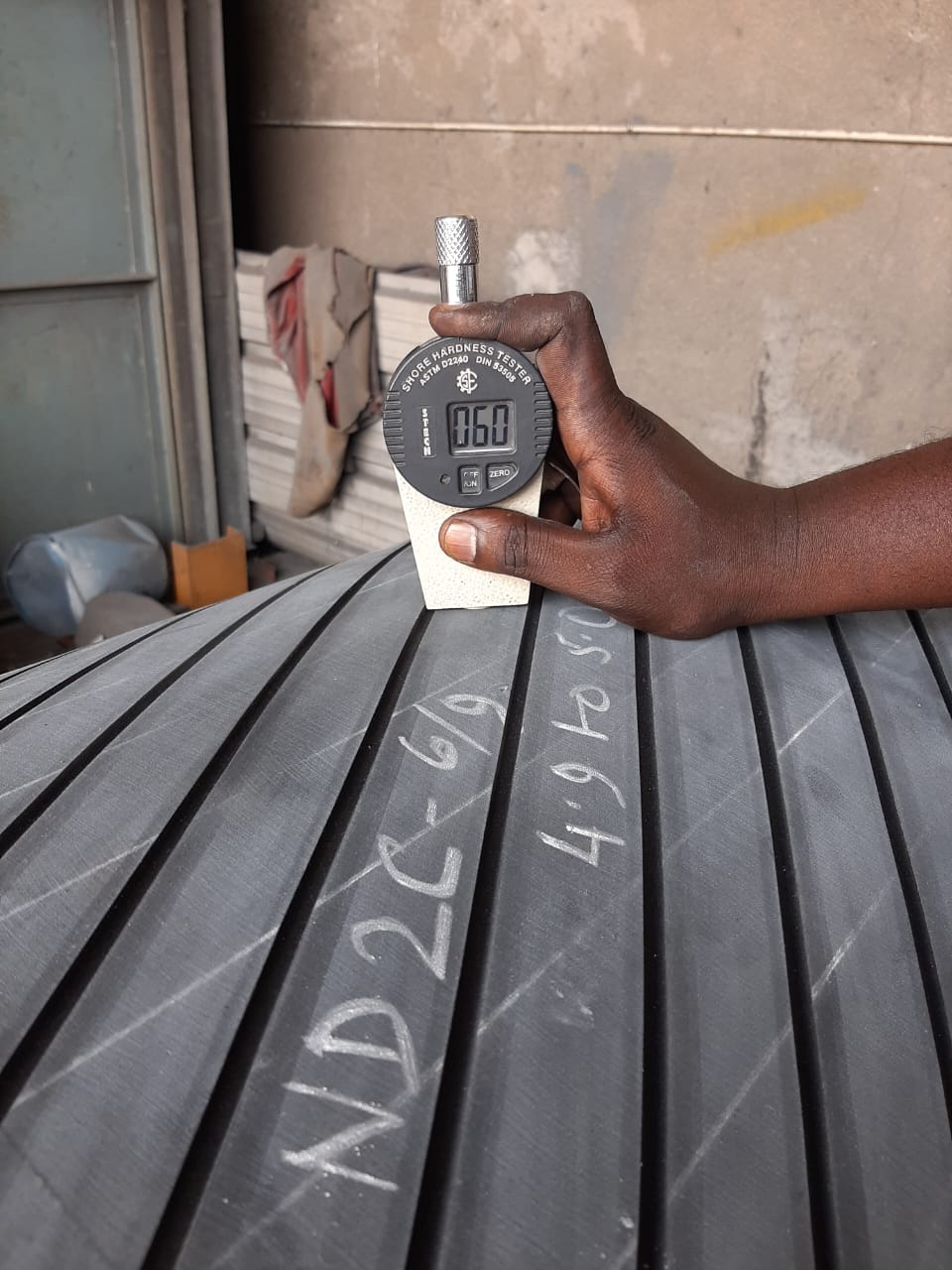

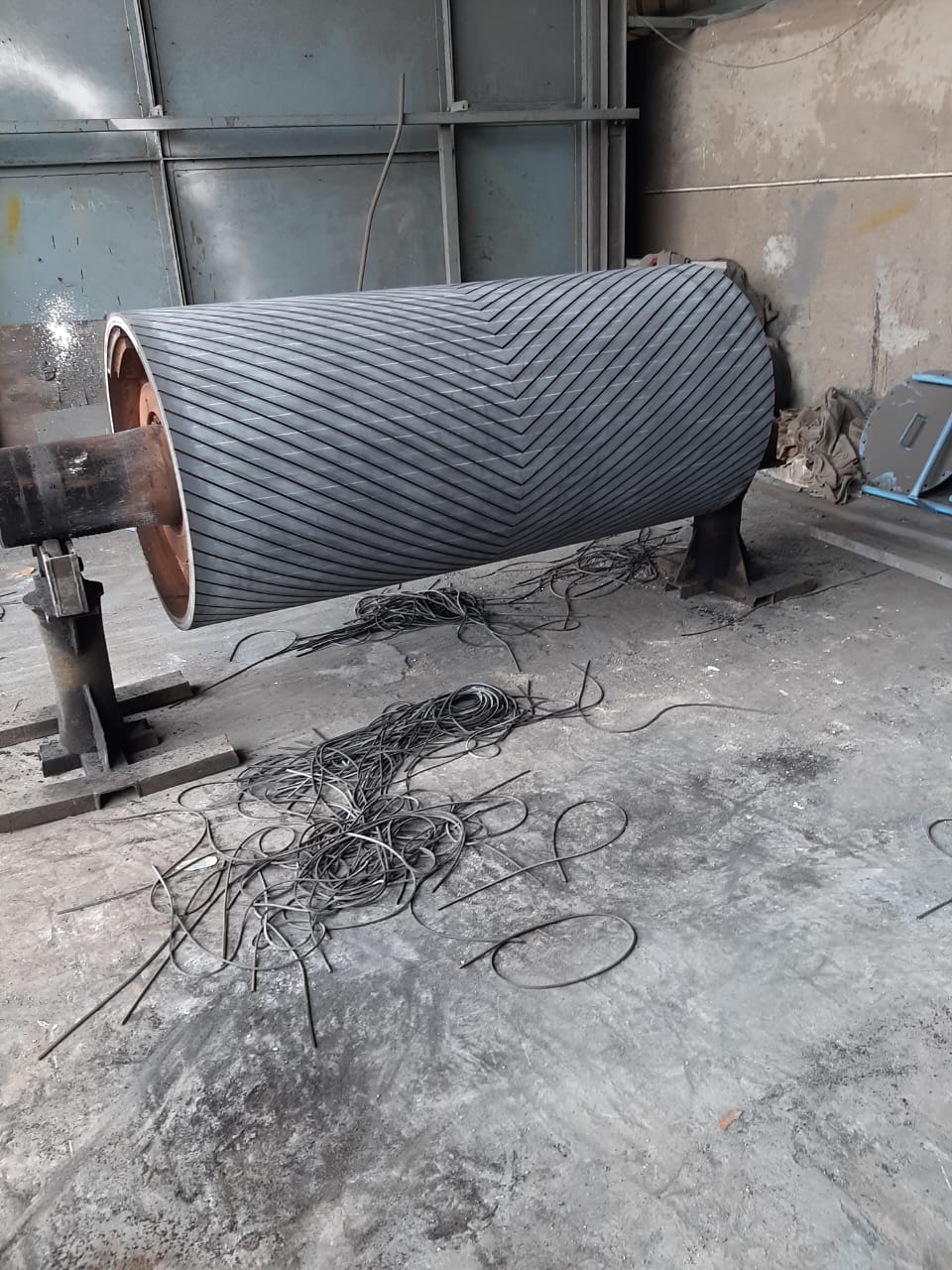

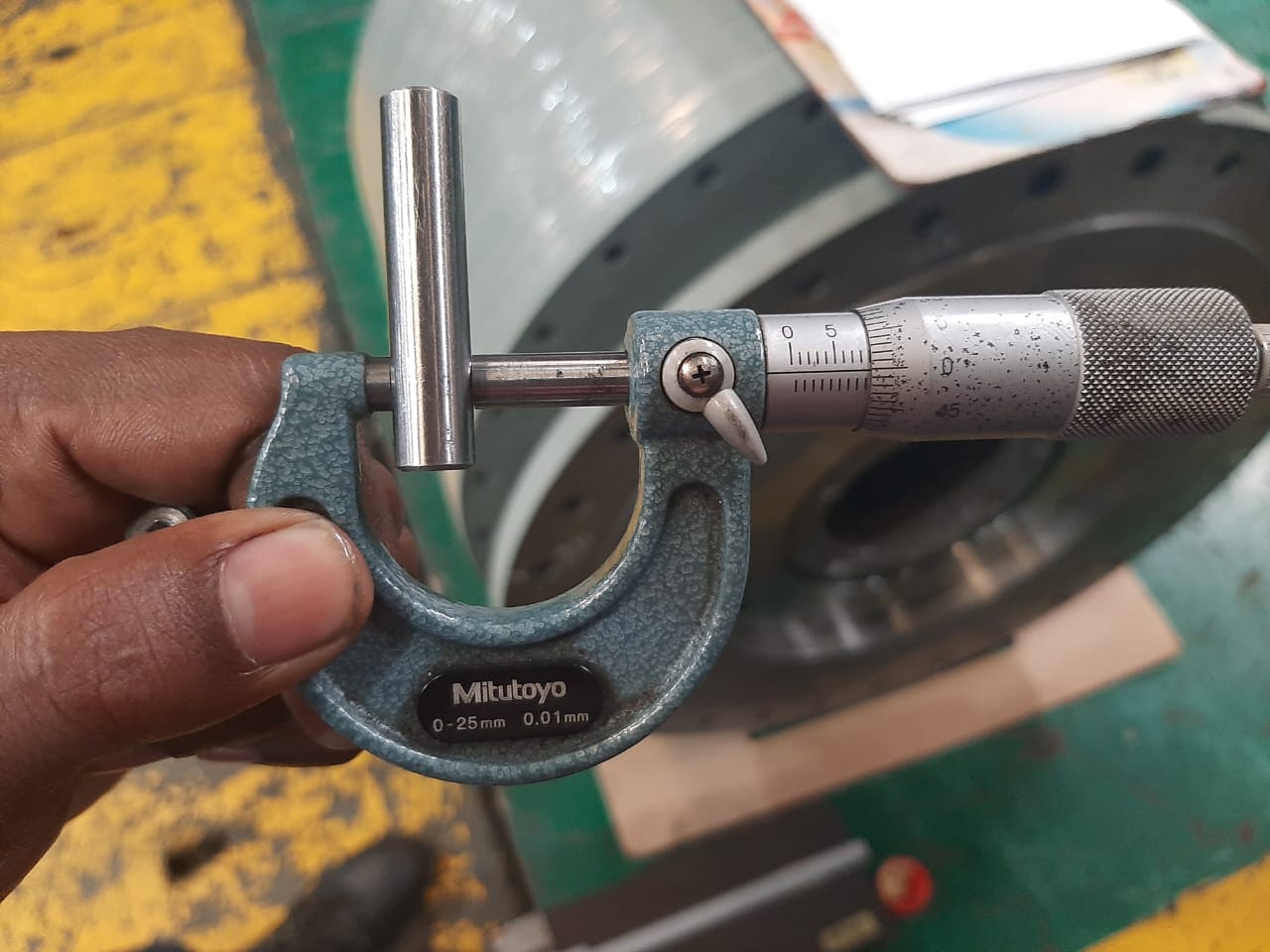

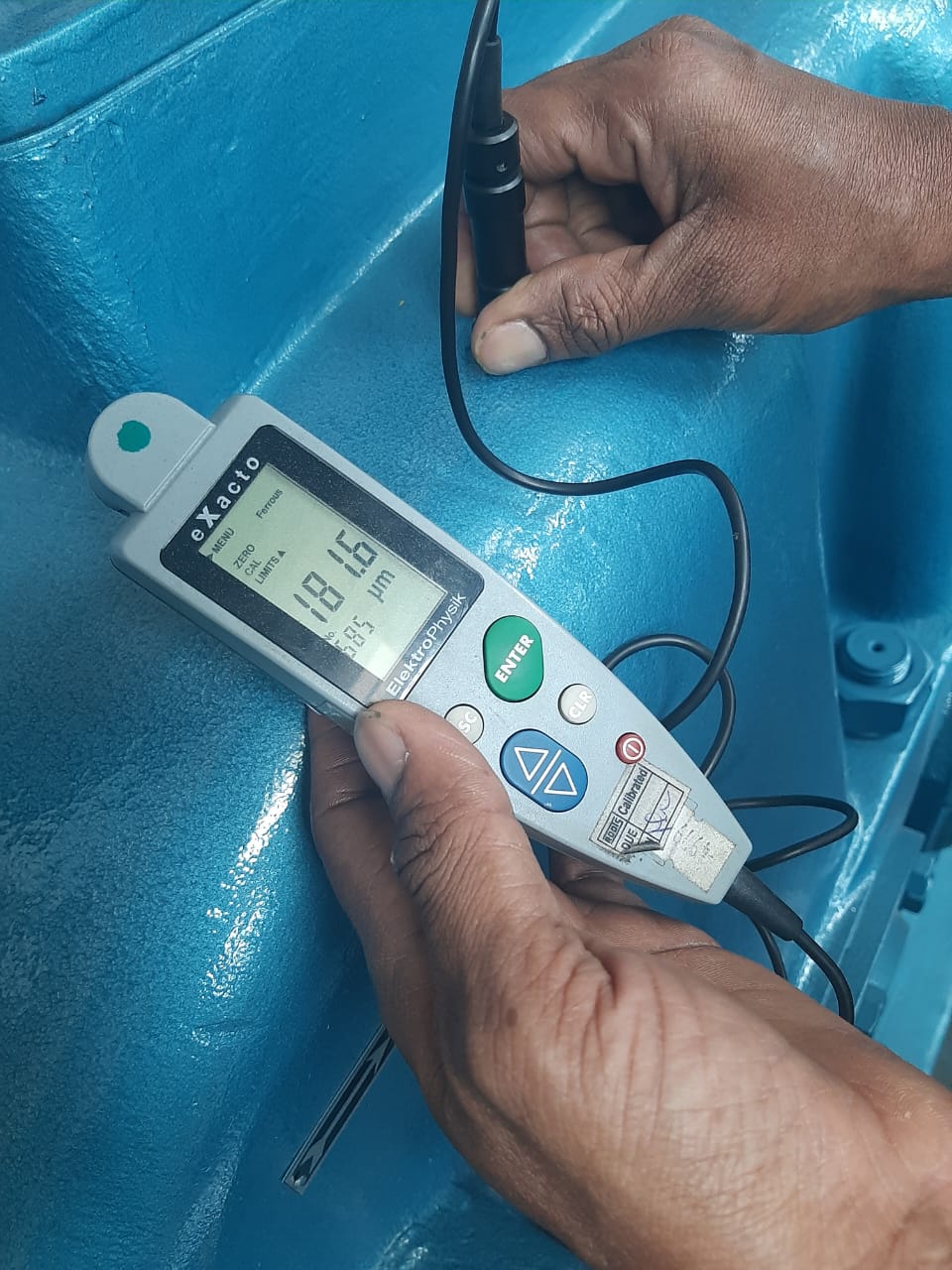



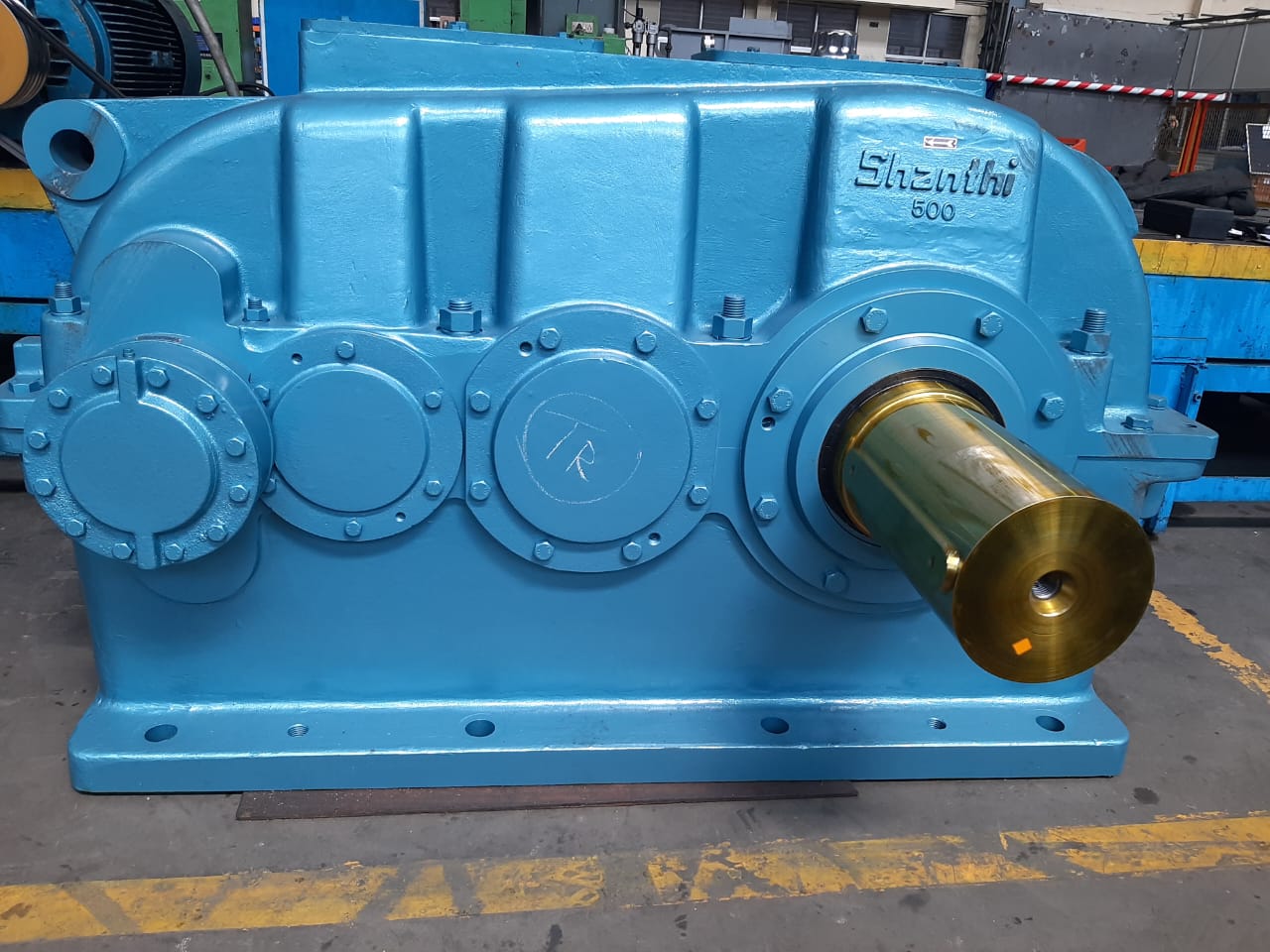

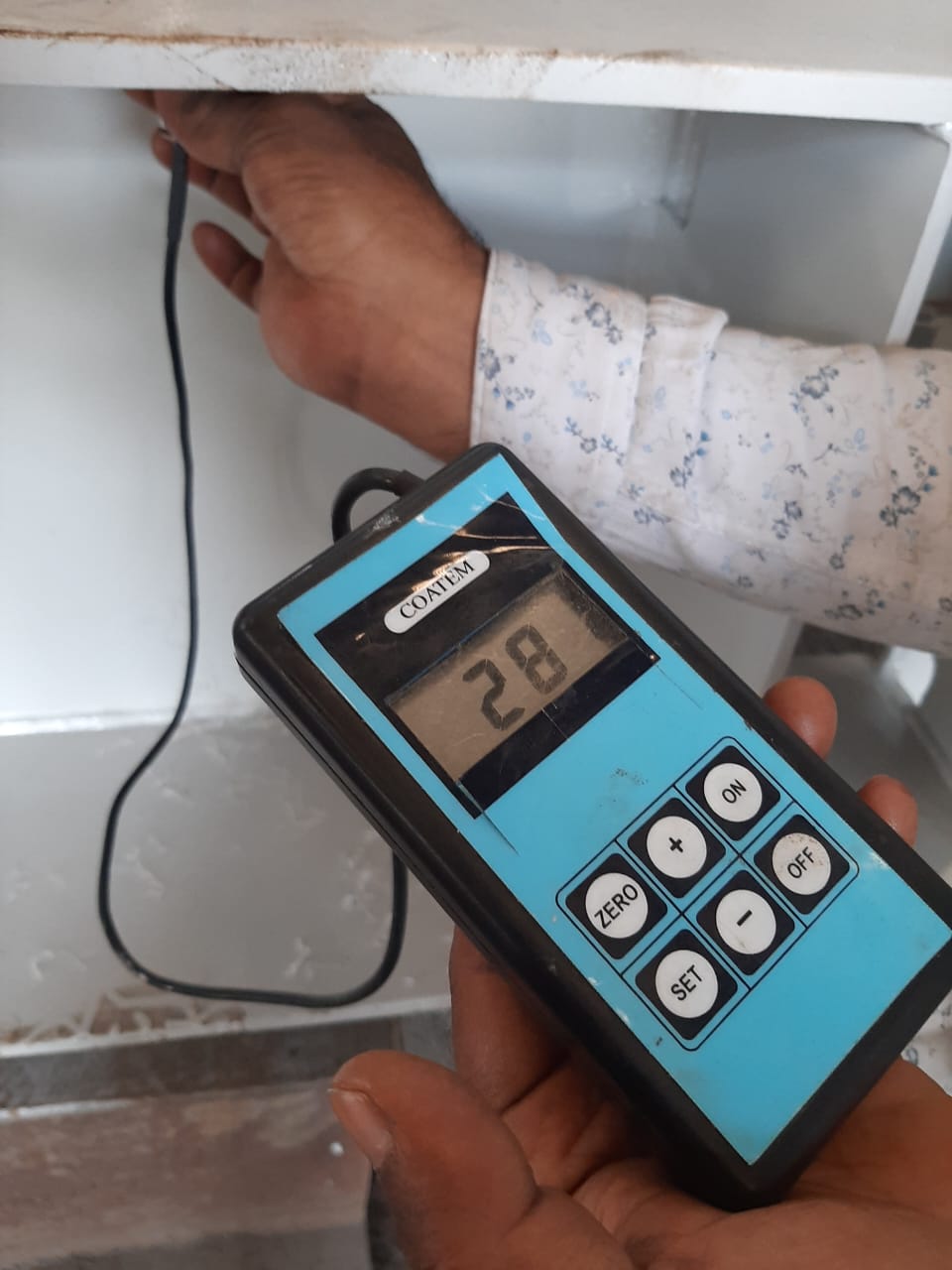
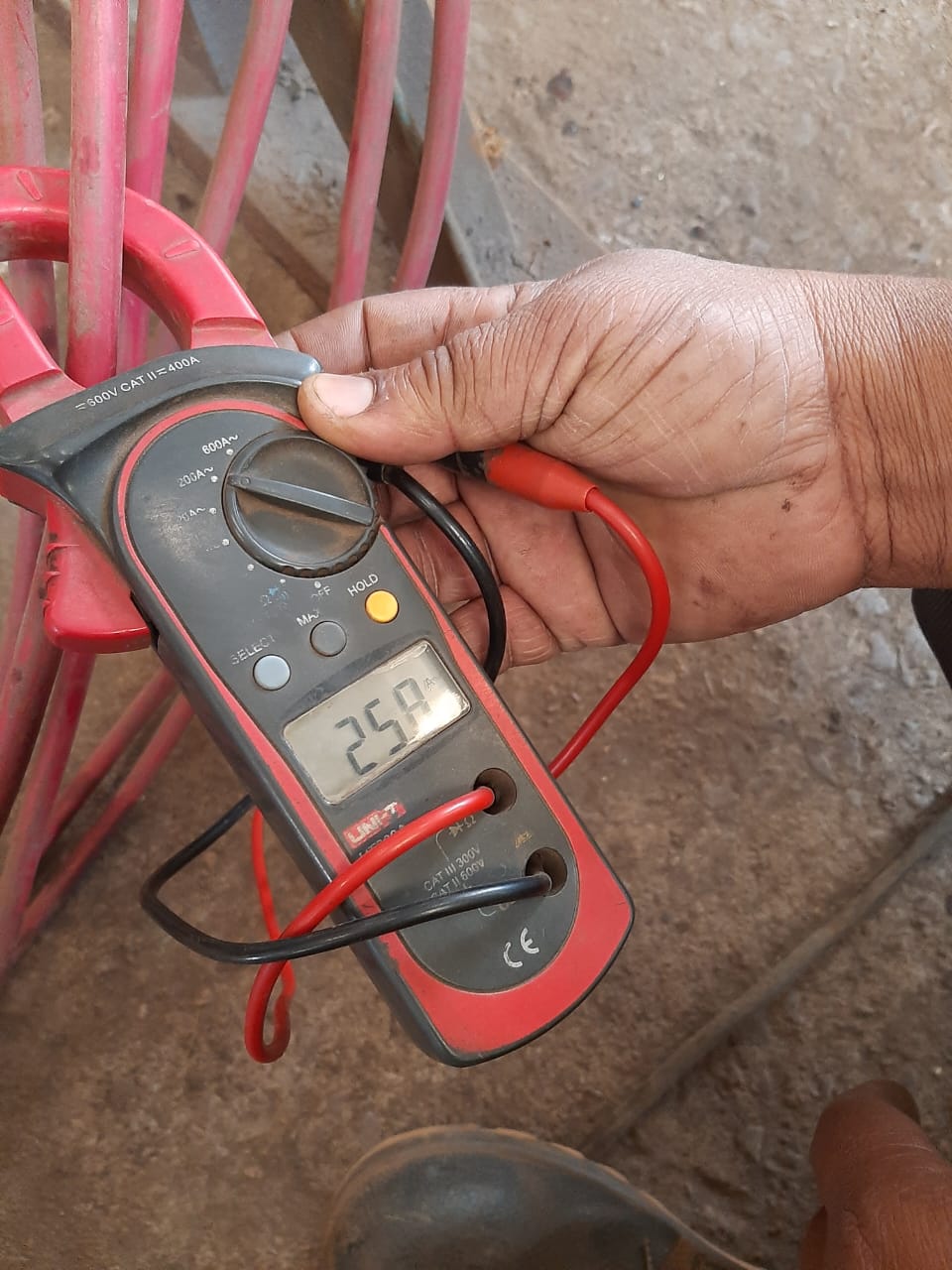
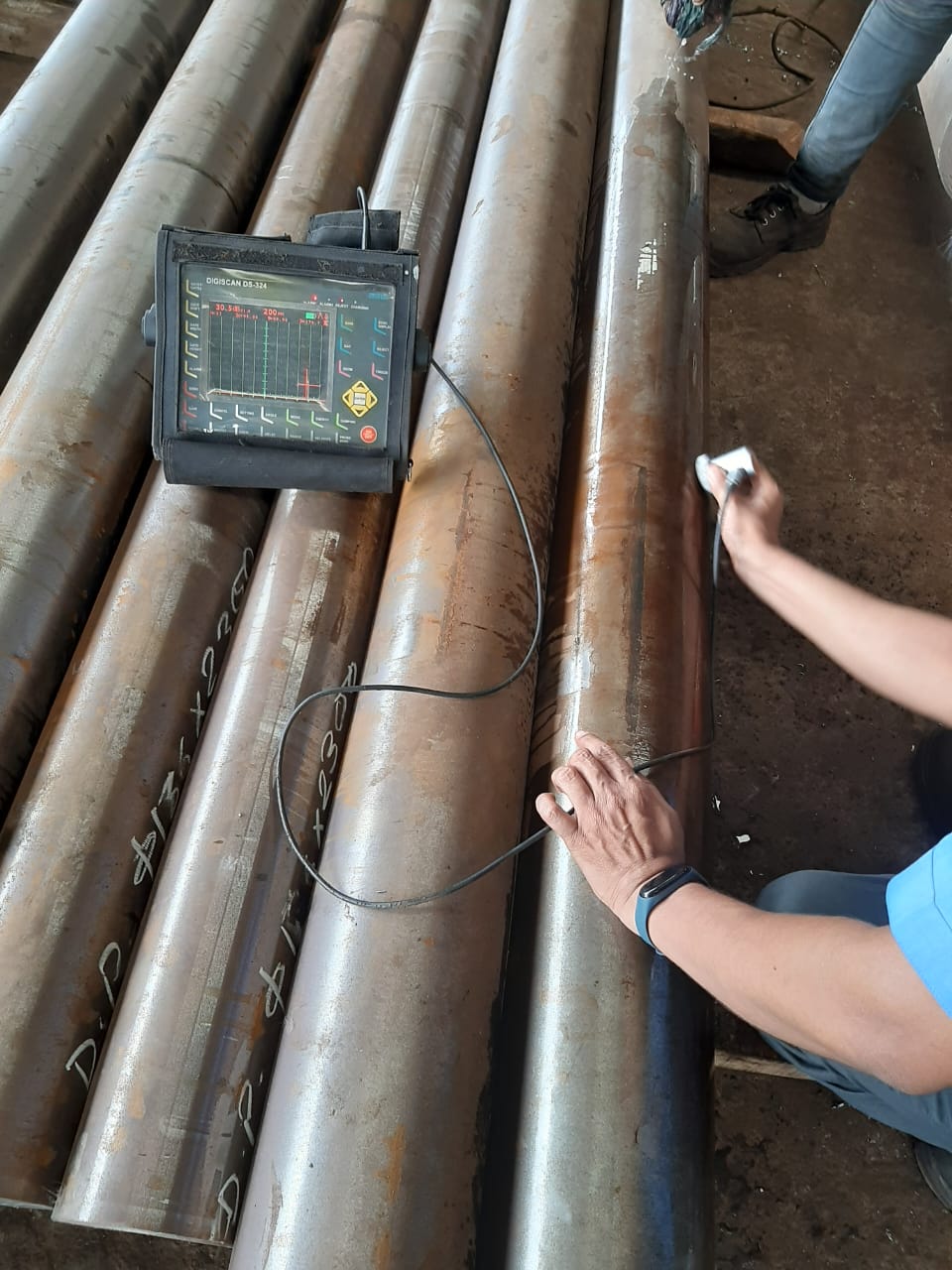
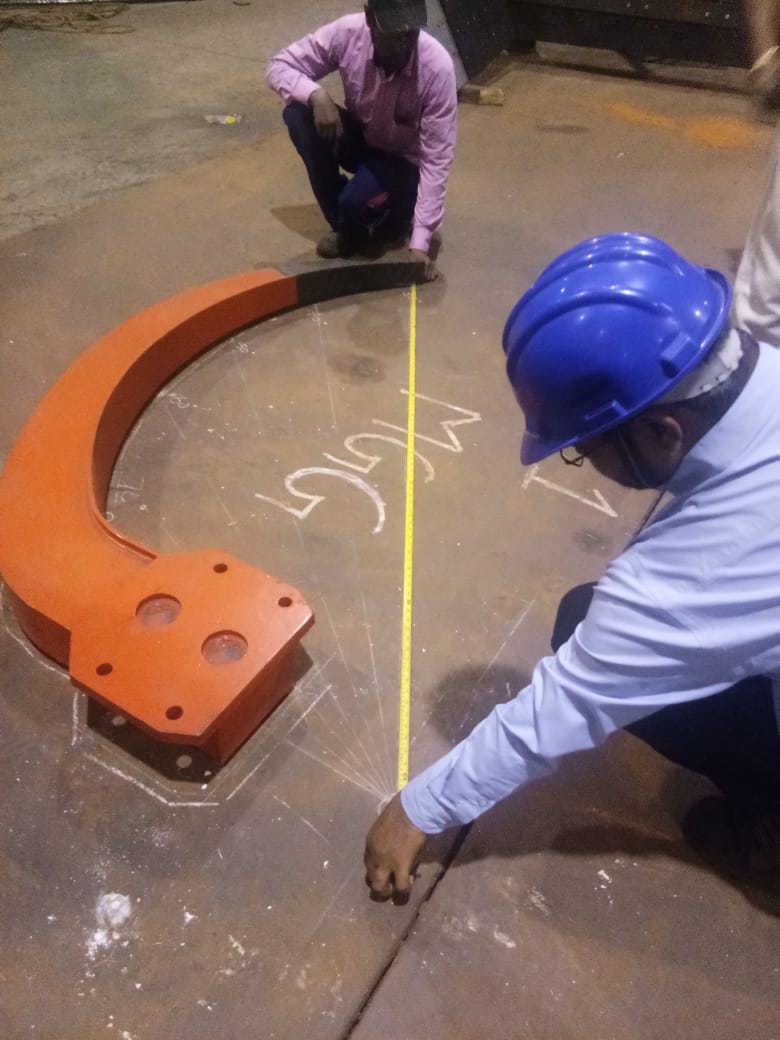
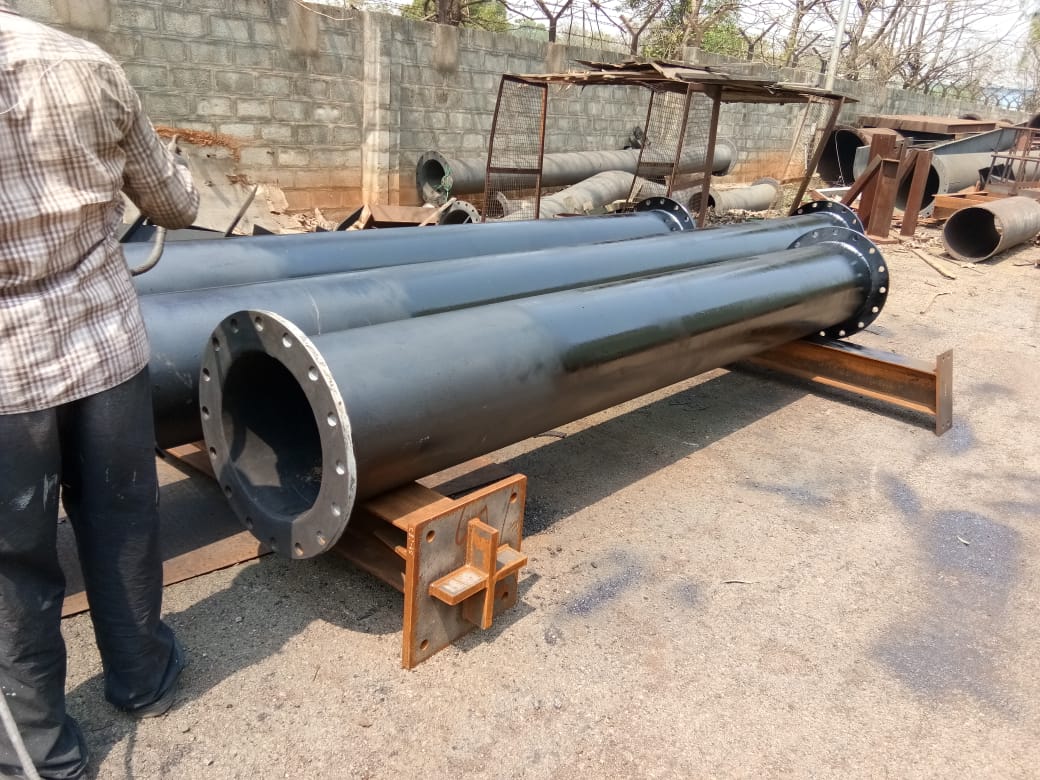
Real third-party inspections conducted across various industries and projects